Turning Raw Land Into Build-Ready Lots
Land Development & Site Preparation in Sanford for undeveloped tracts requiring coordinated grading, utility routing, and drainage systems
Surface And Structure offers land development and site preparation services in Sanford for property owners, developers, and builders converting raw acreage into residential subdivisions, commercial parks, or mixed-use communities. You need this service when your land lacks grading, utilities, drainage infrastructure, or access roads required for building permits and construction. If you are subdividing a tract, preparing lots for sale, or coordinating a multi-phase development, this work brings the property from its natural state to a condition where vertical construction can begin.
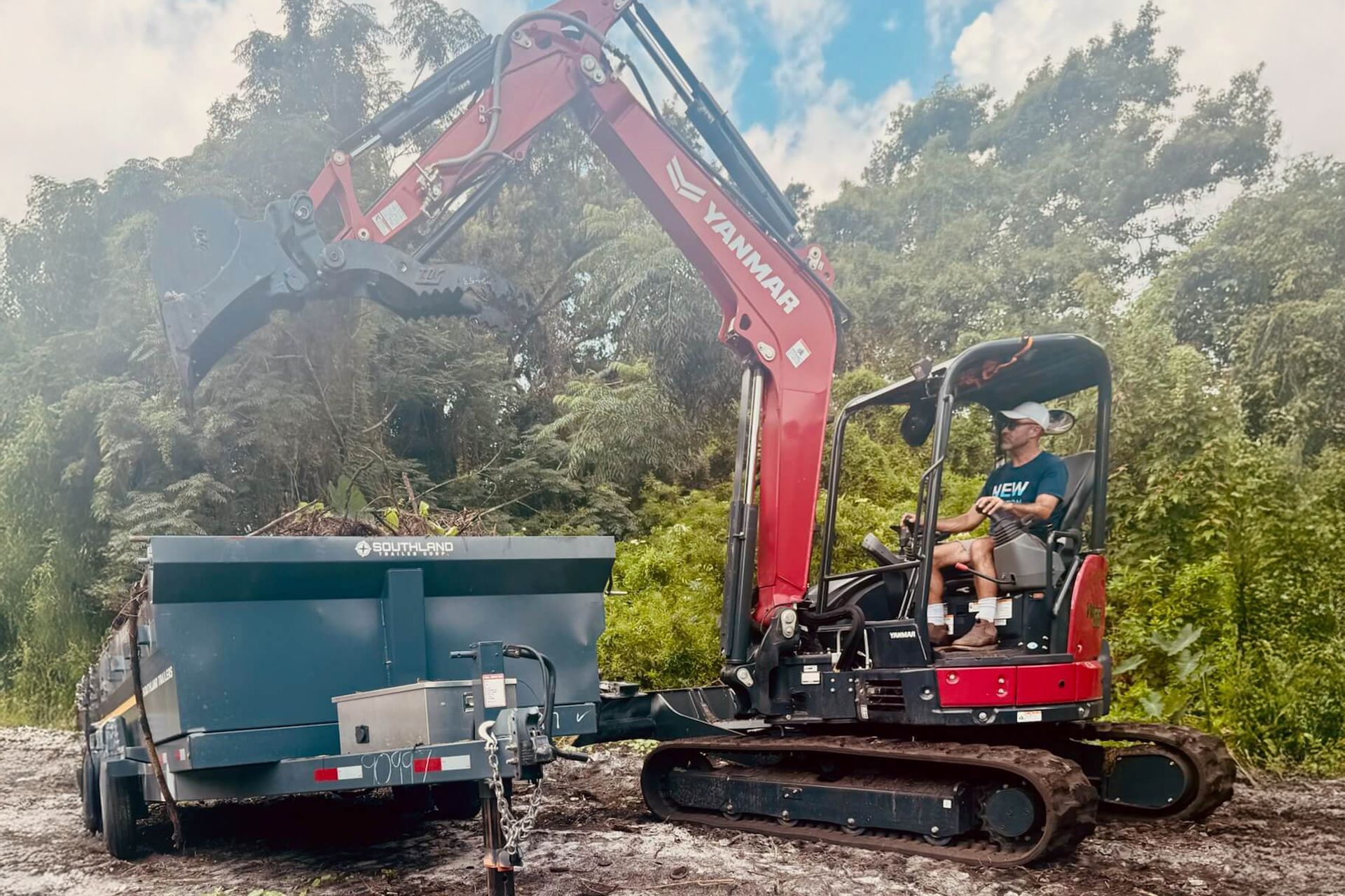
Land development starts with full-service clearing to remove trees, brush, and debris, followed by mass grading to establish lot elevations, roadways, and drainage corridors according to civil engineering plans. Utility installation coordination involves trenching for water, sewer, gas, and electrical lines, with phasing and depth planned to avoid conflicts between trades and minimize rework. Soil compaction and stabilization ensure that building pads, streets, and utility corridors meet bearing capacity requirements and resist settling over time. Drainage planning and execution include swales, culverts, retention ponds, and outfall structures designed to manage stormwater runoff and comply with local regulations. Surface And Structure provides project management from start to finish, coordinating with engineers, surveyors, inspectors, and utility providers to keep the work on schedule and within budget.
If you are developing land in Sanford and need comprehensive site preparation from clearing through final grading, reach out to discuss your project scope and timeline.
What Full-Service Land Development Includes
You will see coordinated crews working across the site to clear, grade, trench, and install infrastructure in phases that match your development schedule. The process begins with surveying and staking to mark lot lines, road centerlines, and utility easements, followed by clearing and grubbing to remove vegetation and topsoil. Grading equipment shapes the land to create buildable lots, streets, and drainage features, with cut-and-fill operations balanced to minimize hauling and disposal costs. Trenching opens corridors for underground utilities, with each trench excavated to the depth and width required by code and inspected before backfilling.
After development work is complete, you will see finished lots with stable grades, installed utility stubs, functional drainage systems, and compacted access roads ready for paving. Surface And Structure manages inspections and coordinates with utility companies to ensure connections are approved and ready for service. The site will be prepared for building permits, lot sales, or construction starts, with all infrastructure in place to support ongoing development.
Soil compaction is verified using density testing at specified lift intervals, ensuring roads and building pads meet engineering standards for long-term stability. Erosion control measures such as silt fencing, sediment traps, and vegetative buffers remain in place throughout the project to protect adjacent properties and waterways. This service does not include building construction or final landscaping, but it delivers a fully prepared site ready for vertical work and final improvements.
Questions About Land Development Projects
Developers and landowners in Sanford often ask about coordination, phasing, and regulatory compliance during large-scale site preparation projects.
What is the typical sequence for land development work?
The sequence usually follows clearing, rough grading, utility trenching, installation, backfill, final grading, and erosion control, with inspections scheduled at each major milestone.
How do you coordinate utilities across multiple trades?
The crew works from civil plans that show all utility locations and depths, scheduling trenching in phases to allow each trade to install and inspect before backfill and compaction begin.
Why is soil stabilization important for long-term development?
Proper compaction prevents settlement that can crack roads, damage foundations, and cause utility breaks, reducing maintenance costs and liability after the project is complete.
When should stormwater infrastructure be installed during development?
Stormwater systems are typically installed early in the process to manage runoff during construction, with final grading and landscaping adjusted to match the drainage plan.
What approvals are required before starting land development in Sanford?
Most projects require a development order, land disturbance permit, stormwater permit, and utility connection approvals, with inspections at clearing, grading, utility, and final stages.
Surface And Structure works with developers, engineers, and municipalities throughout Sanford to deliver land development projects that meet regulatory standards and support successful construction. If your tract needs full-service site preparation, contact the team to review plans and coordinate the work.